Time and Energy Saving Laundry Tips
Laundry is a necessary chore that can often feel never-ending. From sorting to washing to folding, it can easily consume a lot of time and energy. However, there are ways to streamline your laundry routine to save both time and energy.
By implementing some simple tips and tricks, you can cut down on the amount of time you spend doing laundry and reduce your energy consumption in the process. Here are some time and energy saving laundry tips to help make this household task a little less daunting.
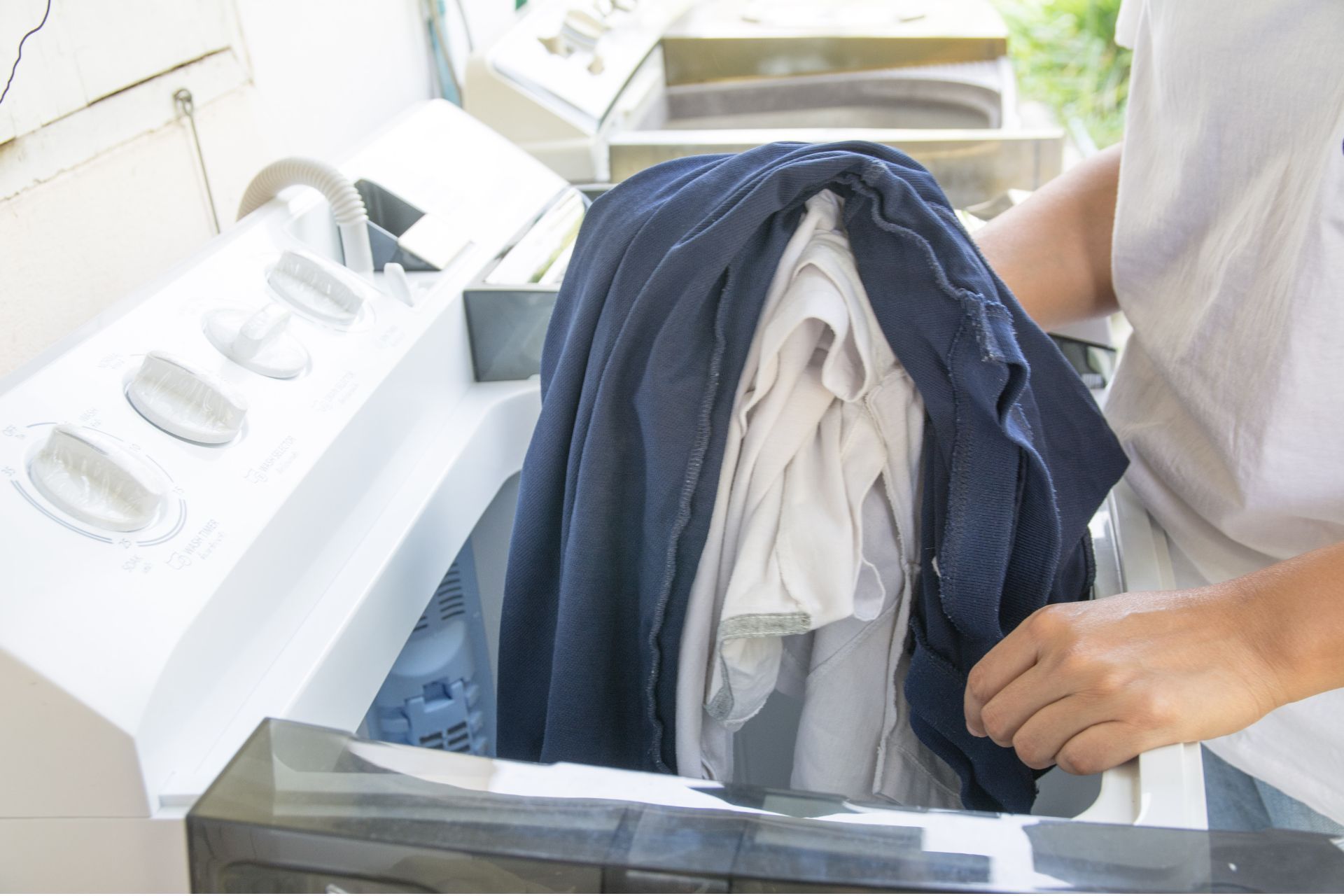
Sort your laundry by color and fabric type before washing to avoid color bleeding and damage to delicate fabrics
Light colors such as whites and pastels should be separated from dark colors such as blacks and navy blues to prevent dye transfer. Delicate fabrics such as silk, lace, and wool should also be washed separately from sturdy fabrics like cotton and denim to prevent damage.
It's important to read the care labels on your clothing to determine the appropriate washing instructions for each item. Some delicate fabrics may need to be hand washed or washed on a gentle cycle with mild detergent to avoid shrinking or stretching.
Use cold water for the majority of your laundry loads, as this will save energy by not having to heat the water
Using cold water in your laundry can greatly help save time and energy. Cold water laundry cycles generally require less time than hot water cycles, as there is no need for the water to heat up before washing. This can cut down on the total time it takes to do your laundry, allowing you to finish your chores more quickly.
Using cold water can also save energy. Heating water for laundry accounts for a significant portion of energy usage in a typical household. By using cold water, you can reduce the amount of energy needed to wash your clothes, leading to lower energy bills and a smaller environmental footprint.
Cold water is also gentler on fabrics and can help prevent fading and shrinking. This means that you can wash a wider variety of clothing items together without worrying about damaging them.
Only wash full loads of laundry to maximize efficiency and save water and energy
Washing only full loads of laundry can help maximize efficiency and save both water and energy. By waiting until you have a full load, you can make the most of each wash cycle and reduce the number of times you need to run the washing machine. This not only saves water and energy, but also helps extend the life of your washing machine by reducing wear and tear.
Using the appropriate water level for your load size can help save water and energy. Many modern washing machines have sensors that adjust the water level based on the size of the load, so be sure to select the appropriate setting before starting the cycle.
Use a high-efficiency washing machine and detergent to save on water and energy usage
High-efficiency washing machines use less water and energy compared to traditional washing machines, saving you money on your utility bills. Pairing a high-efficiency washing machine with a detergent specifically designed for these machines can further reduce water and energy usage. These detergents are formulated to create fewer suds, which means less water is needed for rinsing and less energy is required to heat water for washing.
Air dry your clothes whenever possible rather than using a dryer
Not only does air drying save energy and reduce your carbon footprint, but it also helps to prolong the life of your clothing by preventing wear and tear from the high heat of a dryer. Hang your clothes on a drying rack or clothesline outside on a sunny day for a fresh, natural scent. If you need to dry your clothes indoors, consider using a folding drying rack or hanging them on hangers to prevent wrinkles. Embrace air drying as a more sustainable and eco-friendly way to care for your clothes.
Invest in a clothesline or drying rack for indoor or outdoor drying
Drying clothes on a clothesline or drying rack is not only cost-effective, but also environmentally-friendly as it reduces the energy consumption associated with using a dryer. Additionally, hanging clothes to dry can help extend the life of your clothing by reducing wear and tear from the heat of a dryer.
If you have outdoor space, consider installing a clothesline in your backyard or on a balcony. This will allow you to take advantage of natural sunlight and fresh air for quicker and more efficient drying. If outdoor space is limited, opt for a collapsible drying rack that can be set up indoors.
Investing in a clothesline or drying rack is a practical and sustainable choice that can save you money on energy bills and help reduce your carbon footprint. Plus, there's something satisfying about seeing your clothes fluttering in the breeze!
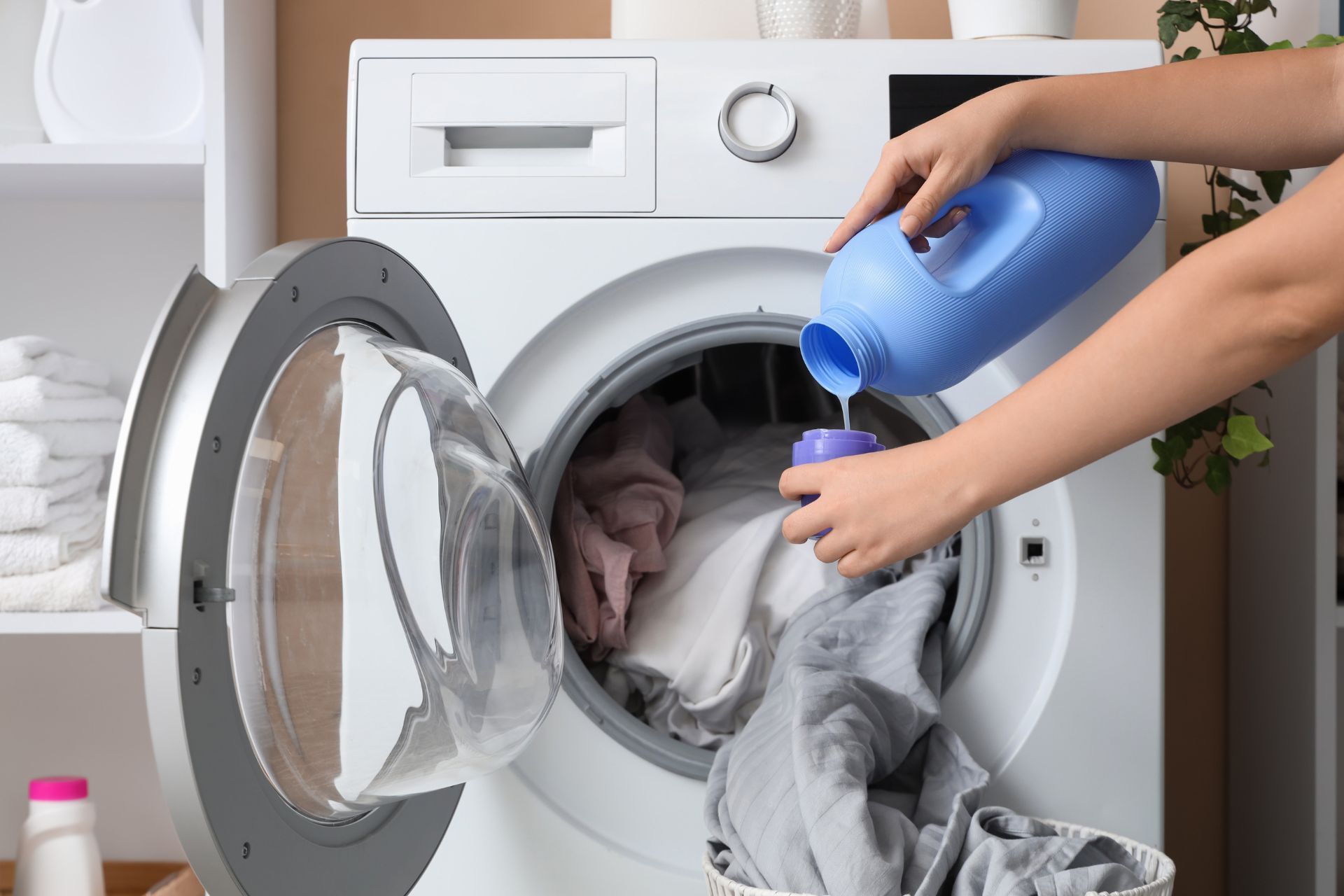
Use a laundry detergent and fabric softener combo to save time during the washing process
When doing laundry, consider using a laundry detergent and fabric softener combo to save time during the washing process. Instead of adding separate detergent and fabric softener to the washing machine, simply use a detergent that already contains fabric softener.
This will not only save you time during the actual washing process, but also during the measuring and pouring of separate detergent and fabric softener. Plus, using a combo product can be more cost-effective than purchasing separate detergent and fabric softener.
Just be sure to follow the instructions on the packaging of the combo product to ensure that you are using the correct amount for your laundry load size. With a laundry detergent and fabric softener combo, you can achieve clean and soft clothes in less time.
Spot-treat stains immediately to prevent the need for pre-soaking or extra washing cycles
Use a stain remover or a mixture of water and vinegar to treat the stain directly. Gently dab at the stain with a clean cloth or sponge, being careful not to scrub too vigorously and spread the stain further. Allow the stain remover to sit for a few minutes before laundering as usual. Prompt treatment can help prevent the need for extra steps in the washing process and increase the chances of successfully removing the stain.
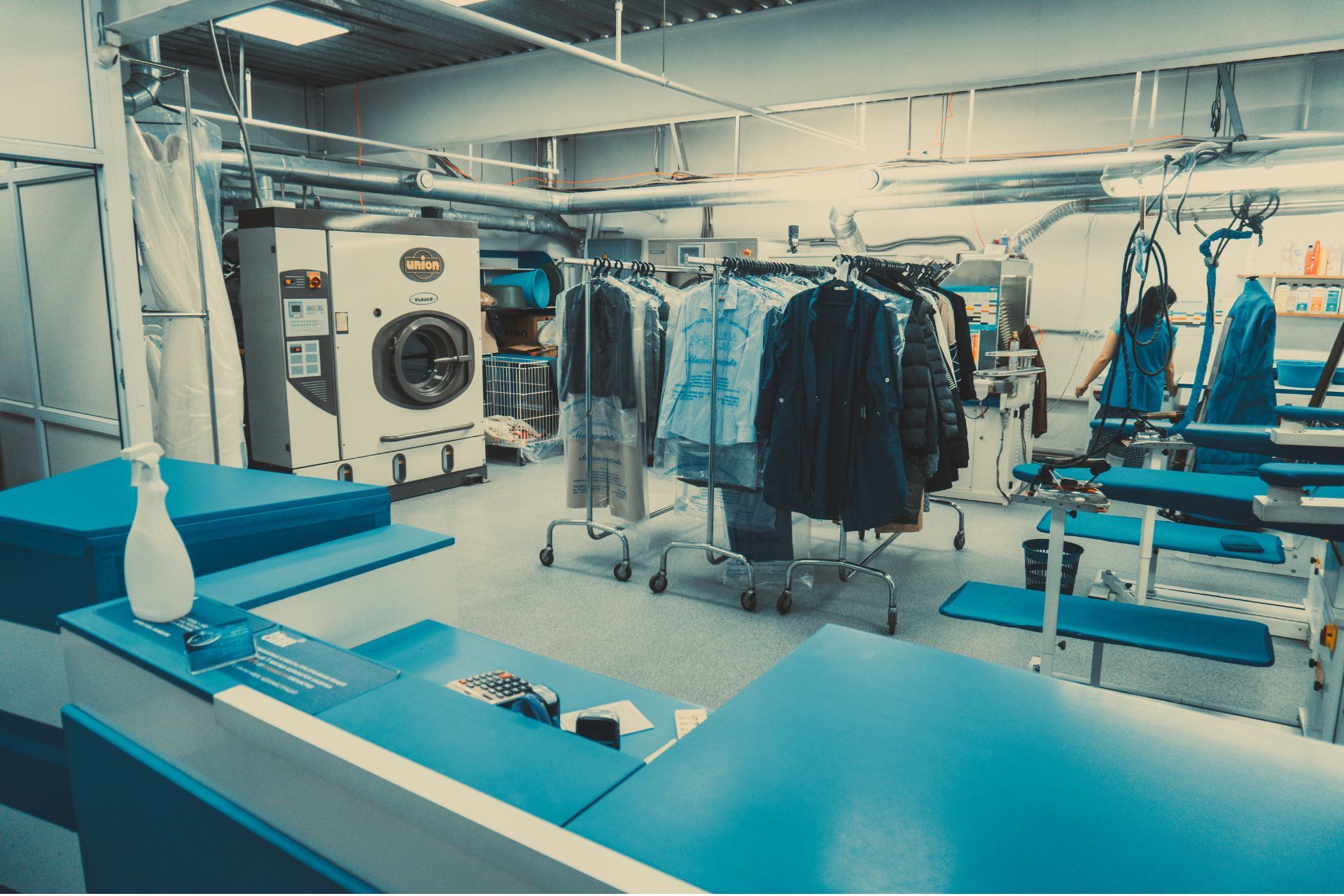
Consider using a laundry service or laundromat for larger or more elaborate loads of laundry
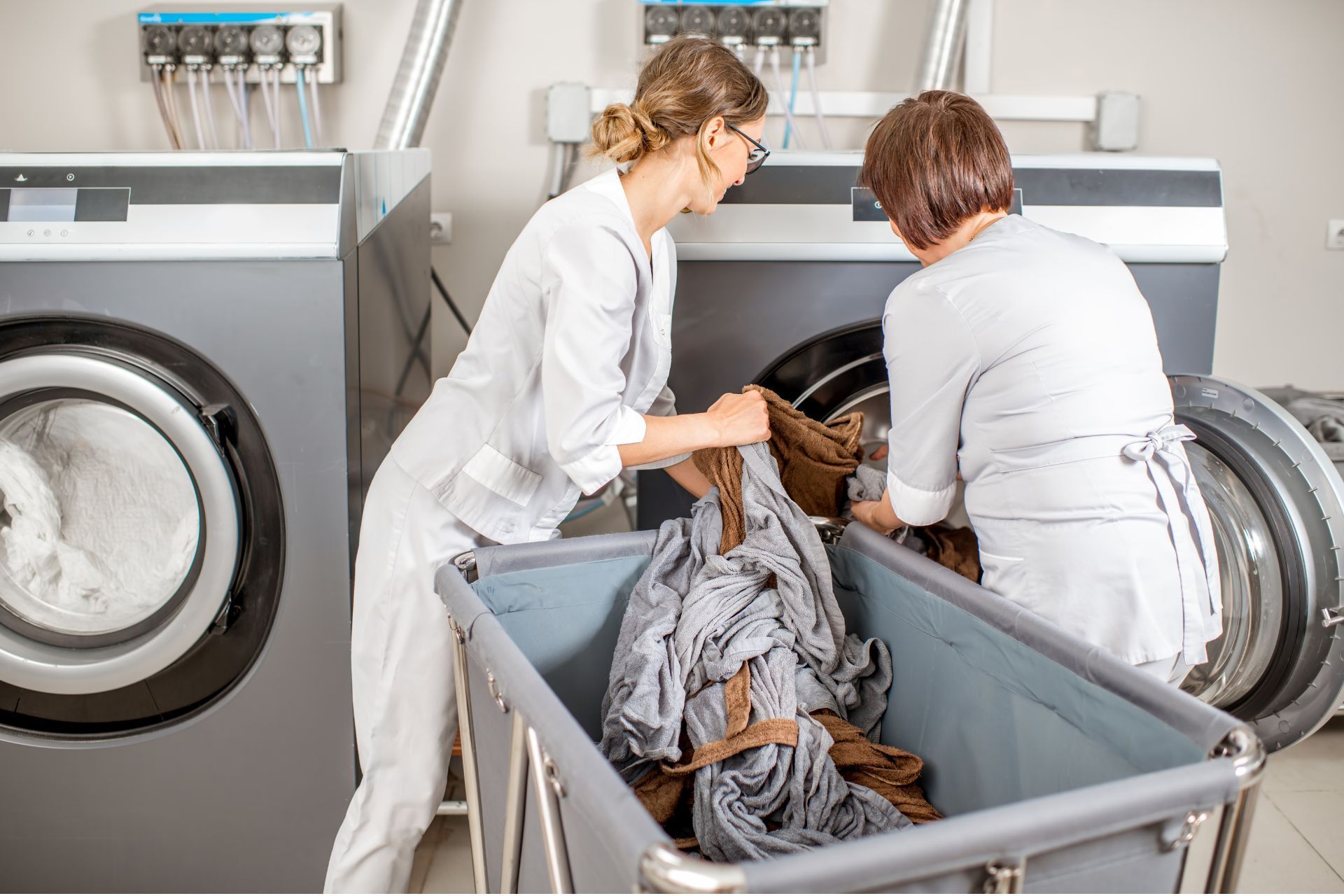
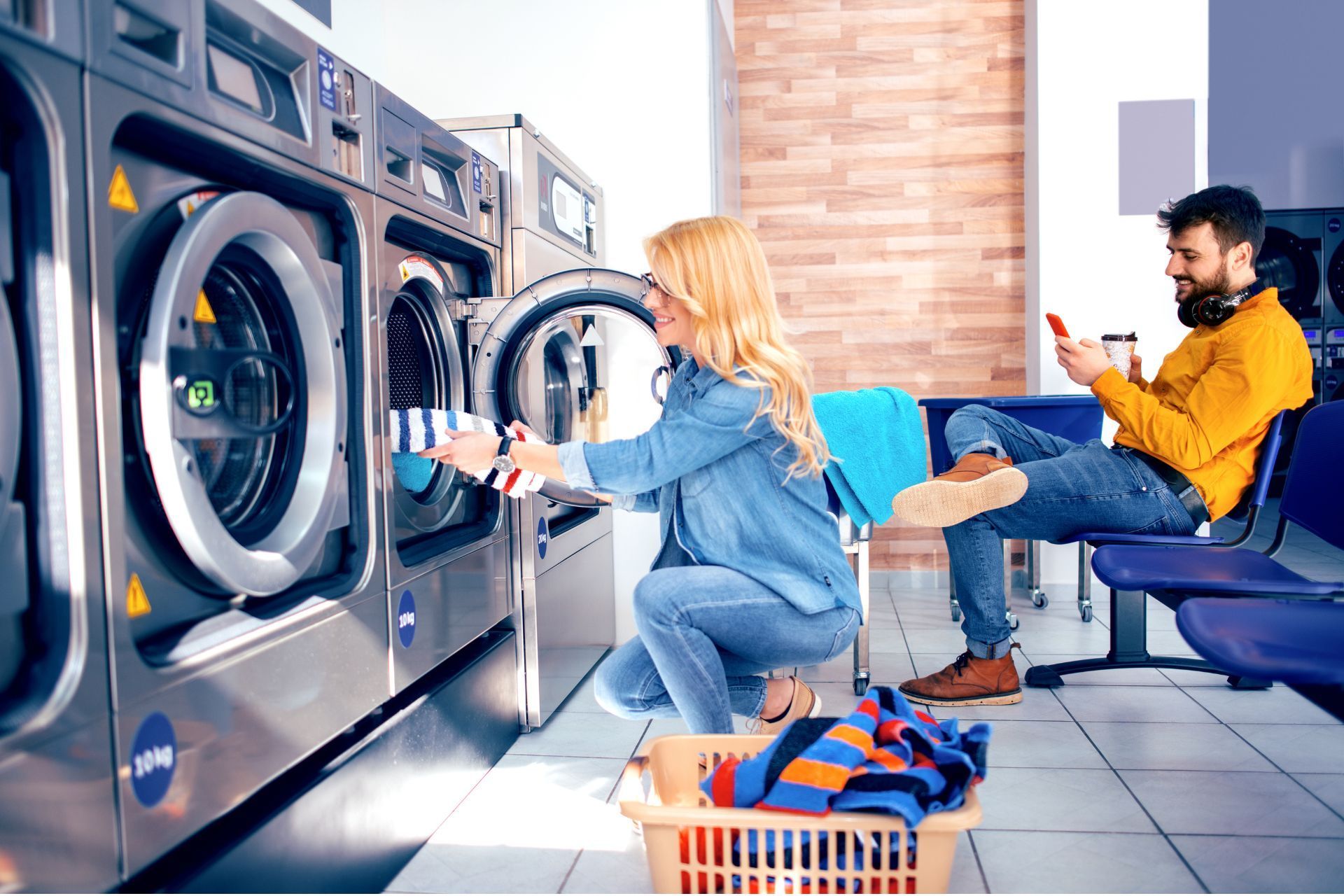
Laundry services and laundromats can be a convenient option for individuals who have larger loads of laundry or more delicate items that require special care. These services typically have large capacity machines and professional staff who can handle a wide range of fabrics and stains effectively. Additionally, using a laundry service can save time and energy for busy individuals who may not have the time or resources to do laundry themselves.
Make sure to clean your washing machine regularly to maintain its efficiency and performance
Washing machines are an essential appliance in any household, helping us keep our clothes clean and fresh. But just like any other appliance, they require regular maintenance to ensure they continue to work efficiently and effectively. One often overlooked aspect of washing machine maintenance is cleaning the machine itself.
Over time, dirt, grime, and bacteria can build up in your washing machine, causing it to function less effectively. This can lead to clothes not being cleaned properly, a funky odor emanating from the machine, and even potential damage to the machine itself. To avoid these issues, it is important to clean your washing machine regularly.
Want To Have Professionally Washed Clothes?
If you want to have your clothes professionally washed and cleaned, look no further than
Citiwash and Clean. Our team of experienced professionals will ensure that your garments are treated with care and returned to you looking clean and fresh. We use high-quality detergents and equipment to ensure that your clothes are cleaned thoroughly and effectively.
Visit Citiwash and Clean today for all your laundry needs.