How to Wash Large and Bulky Items: Comforters, Sleeping Bags, Rugs & More
Washing large and bulky items like comforters, sleeping bags, and rugs can seem daunting. But with the right approach, you can tackle these chores effectively. First, you'll need to assess your washing machine's capacity and prepare your items properly. Understanding how to choose the right detergent and washing techniques is crucial. Curious about the best methods for getting your bulky items clean without damaging them? Let’s explore the essential steps together.
How to Wash Bulky Items at Home
How can you effectively wash bulky items at home without damaging them? First, check the care label for specific instructions. If it’s machine washable, ensure your washing machine can accommodate the size.
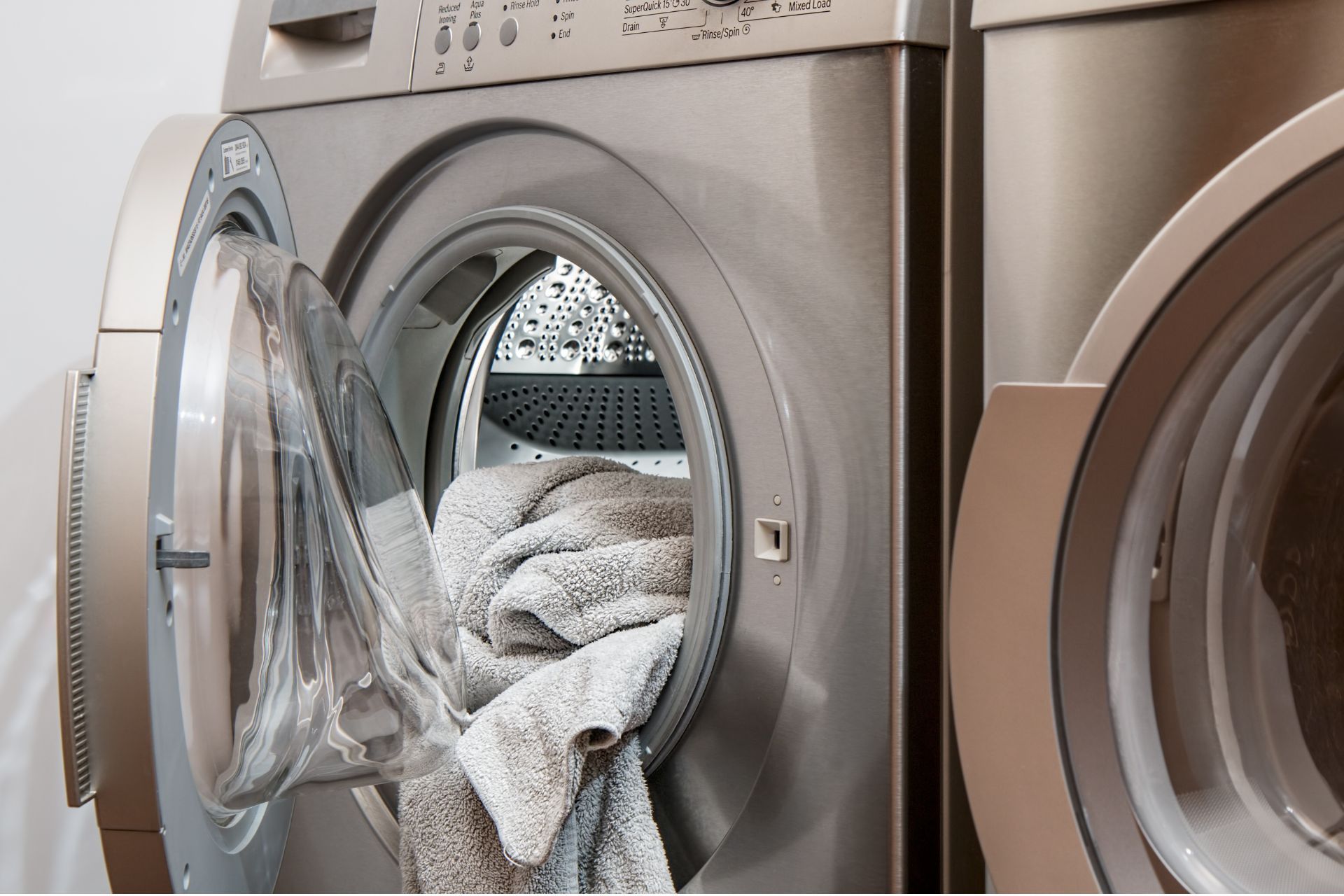
Use a front-loading washer if you have one, as it’s gentler on large items. When washing, opt for a gentle cycle and cold water to prevent shrinkage and fabric damage. Add a mild detergent, and don’t overload the machine—this could lead to inadequate cleaning.
For items like comforters or sleeping bags, consider washing them separately for the best results. After washing, tumble dry on low heat, ensuring they dry completely to avoid mold.
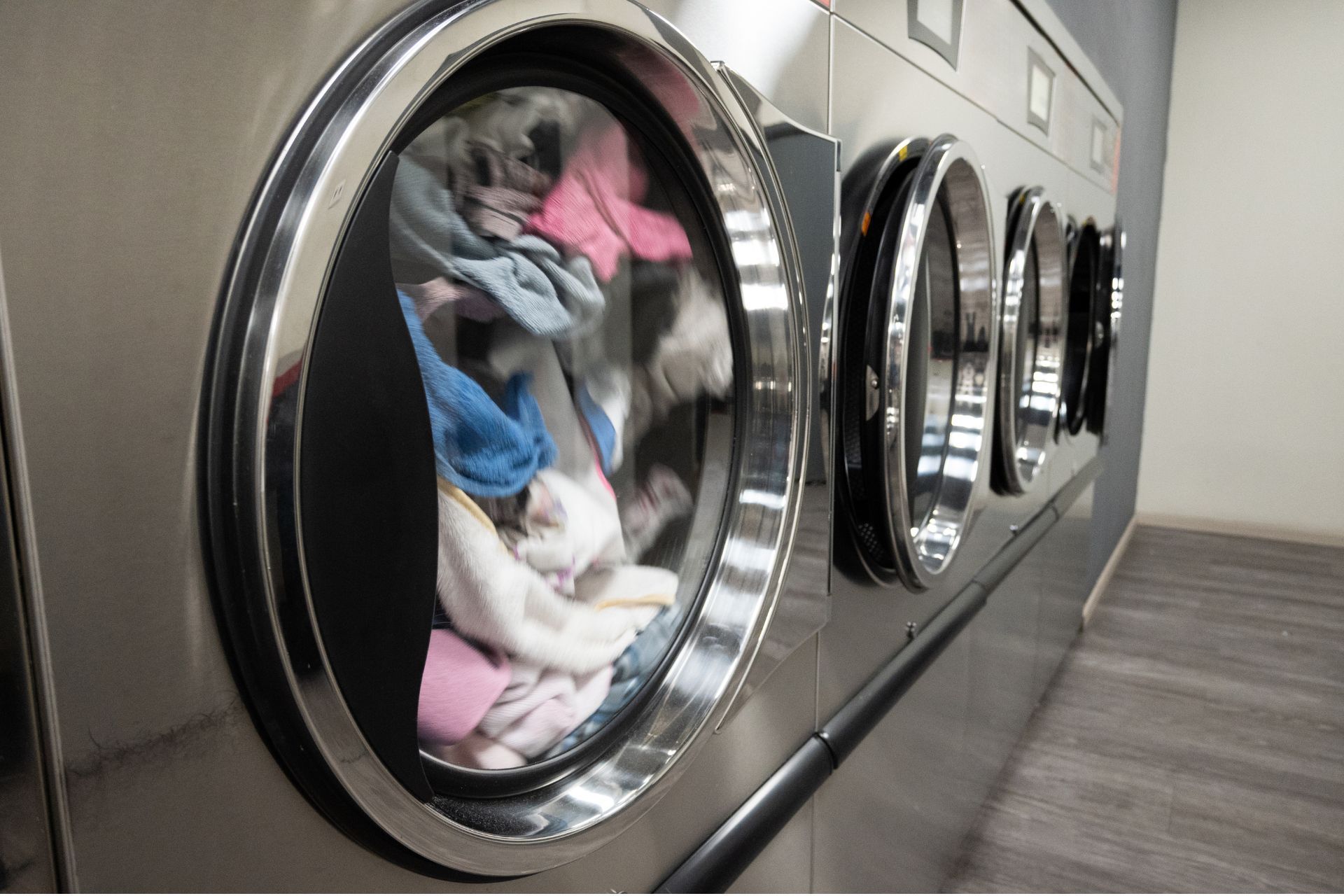
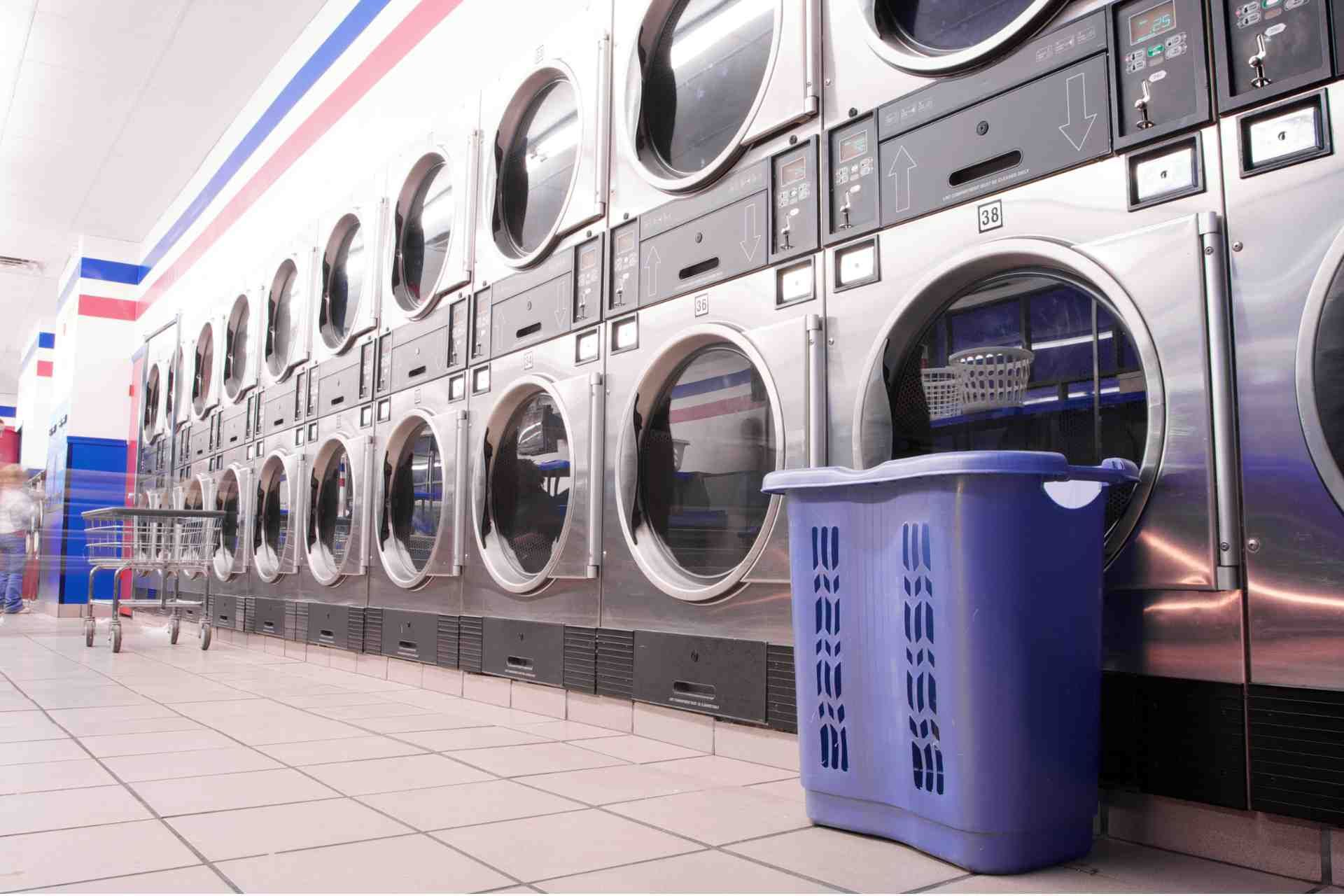
If you're concerned, take them to a laundromat with larger machines for extra space.
Can Your Washing Machine Handle That Comforter?
Can your washing machine really handle that bulky comforter? Before you toss it in, check your machine's capacity. Most standard washers can handle loads up to 12-14 pounds, while high-efficiency models may go beyond that.
If your comforter exceeds this weight, you might want to consider a laundromat with larger machines. Also, ensure your washer has enough clearance to accommodate the comforter's size; a tight fit can lead to poor cleaning results or even damage.
It's wise to consult the care label on your comforter for any specific washing instructions. If you're unsure about the fit, it's better to err on the side of caution and wash it separately or take it to a professional cleaner.
Preparing Your Bulky Items for Washing
Before you load your bulky items into the washing machine, it’s important to prepare them properly. Start by checking the care labels for specific washing instructions.
Remove any cover or casing, like duvet covers or sleeping bag liners, to ensure a thorough clean. If your item has any stains, treat them with a suitable stain remover before washing.
You may want to shake out the item to loosen any dirt or debris. For comforters or quilts, ensure they’re not too tightly packed, as this can prevent proper cleaning.
Lastly, check for zippers, buttons, or any loose threads that could snag during the wash. Proper preparation will help your bulky items come out fresh and clean.
Choosing the Right Detergent for Washing Bulky Items
When selecting the right detergent for washing bulky items, consider the fabric type and the level of soil. For heavy-duty fabrics like comforters or rugs, you'll want a powerful detergent that can cut through grime and odors.
Look for detergents labeled as "high-efficiency" if you're using a front-loading machine, as they’re formulated to work well with less water. If your bulky items are made from delicate materials, choose a gentle, liquid detergent to prevent damage.
Avoid fabric softeners, as they can leave residues that affect the fabric's breathability. Lastly, consider any specific needs, like hypoallergenic options for sensitive skin.
Picking the right detergent makes a significant difference in cleaning effectiveness and maintaining the longevity of your bulky items.
Effective Washing Techniques for Comforters and Sleeping Bags
To effectively wash comforters and sleeping bags, start by checking the care labels for specific instructions.
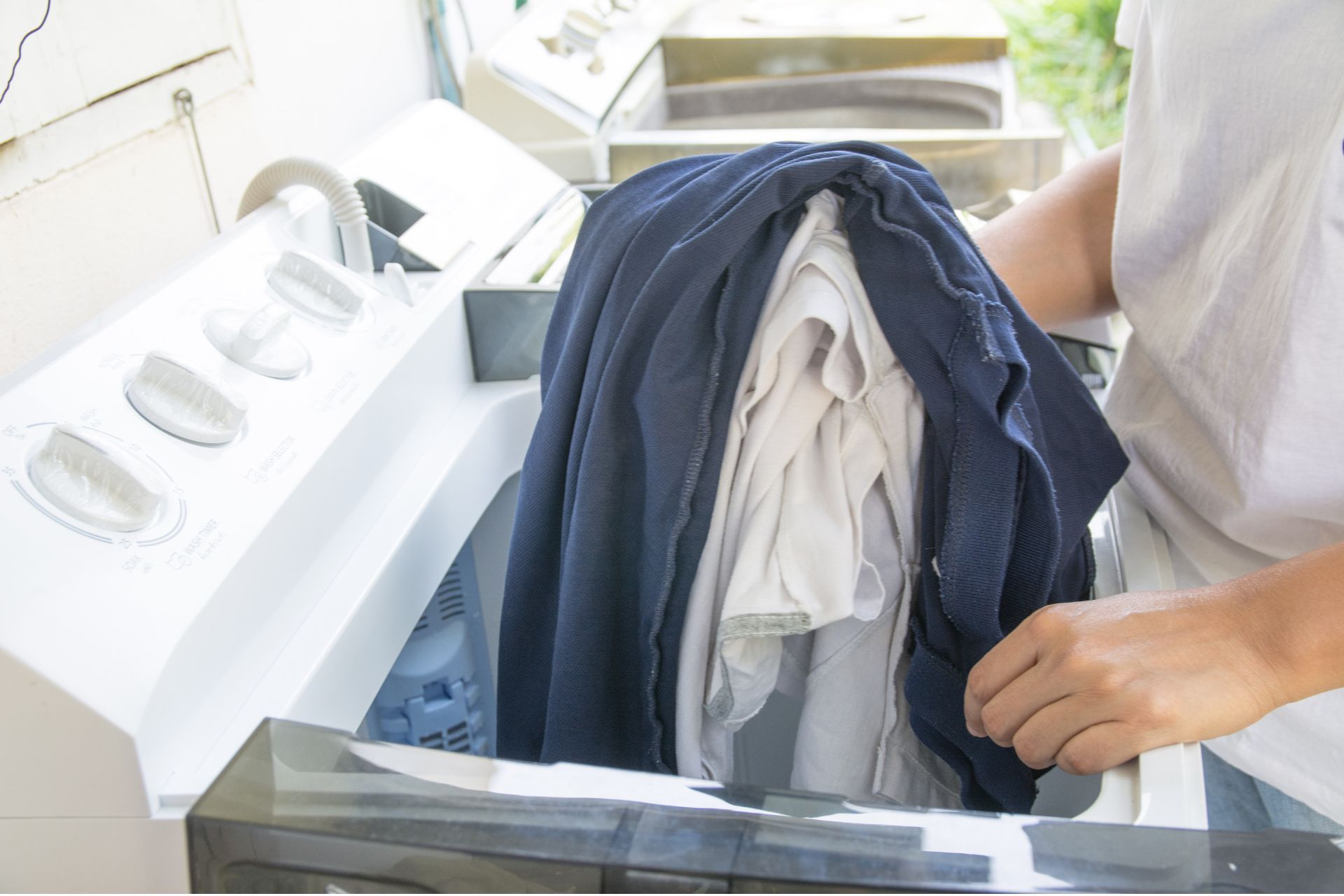
Use a front-loading washing machine, as top loaders can be too rough on these bulky items. Select a gentle cycle and cold water to prevent damage.
Make sure to use a mild detergent—too much can leave residue. If your comforter or sleeping bag is particularly soiled, consider adding a couple of clean tennis balls to the wash; they’ll help fluff the fabric and keep it from clumping.
After washing, dry on low heat, checking periodically to ensure it’s drying evenly. For sleeping bags, air-drying is often best to maintain insulation.
This way, you’ll keep your items fresh and in great shape for future use.
Washing Rugs Safely
Cleaning large items like comforters and sleeping bags requires careful attention, just like washing rugs.
To start, check the care label on your rug for specific washing instructions. If it's machine washable, shake it out to remove loose dirt and debris. Use a gentle cycle with cold water and a mild detergent to avoid damaging the fibers.
For rugs with rubber backing, skip the washer and opt for spot cleaning instead. If your rug is too large for the machine, consider using a steam cleaner or taking it to a professional cleaner.
Always test any cleaning solution on a small, inconspicuous area first. After washing, let your rug air dry completely before placing it back in its spot.
How to Dry Bulky Items: Air Drying vs. Machine Drying
Whether you choose to air dry or machine dry bulky items like comforters and sleeping bags can significantly impact their longevity and performance.
Air drying is gentle on fabrics, helping to preserve their shape and avoid shrinkage. Simply lay your items flat on a clean surface or hang them up to dry, ensuring proper airflow. However, this method can be time-consuming, especially in humid conditions.
On the other hand, machine drying is quicker and convenient, but it can lead to wear and tear if you use high heat. Always check the care label and select a low heat setting or tumble dry with tennis balls to maintain fluffiness.
Ultimately, choose the method that best suits your time and fabric needs.
Effective Stain Removal Techniques for Bulky Items
Removing stains from bulky items can feel daunting, but with the right techniques, you can tackle them effectively.
Start by identifying the stain type—whether it’s food, oil, or dirt—so you can choose the appropriate treatment. For fresh stains, immediately blot the area with a clean cloth to lift as much of the substance as possible.
Mix a solution of mild detergent and cool water, applying it gently to the stain with a soft cloth or sponge. For tougher stains, consider using a stain remover designed for the fabric type. Always test any solution on a small hidden area first.
After treatment, wash the bulky item according to care instructions, and check for stain removal before drying, as heat can set stains.
When to Seek Professional Help for Bulky Items?
When should you consider calling in the pros for your bulky items? If your comforter, sleeping bag, or rug is too large for your home washer or dryer, it’s time to seek help.
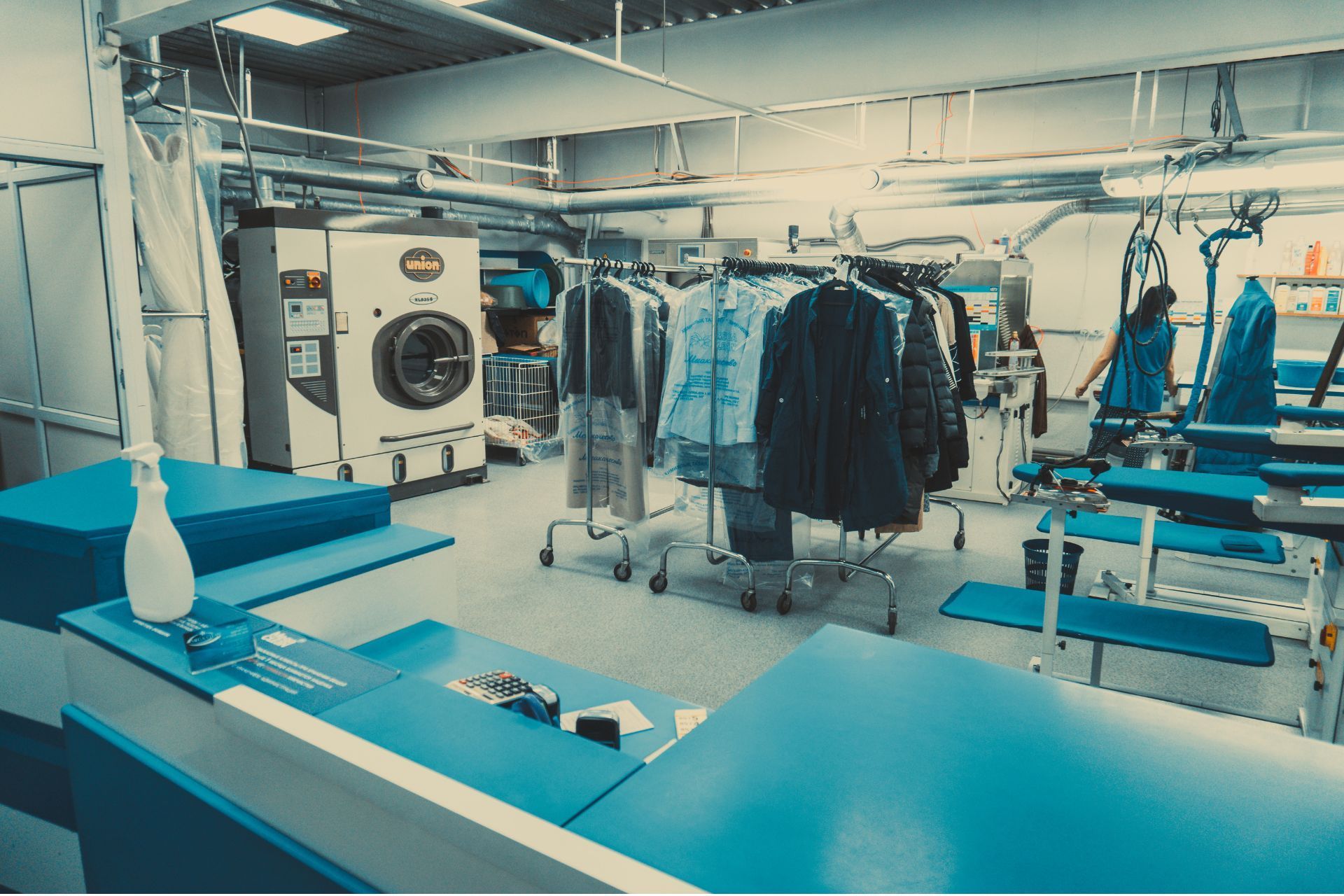
Professional services can handle items that require specialized cleaning methods, such as dry cleaning or steam cleaning, which you mightn't have access to at home.
Additionally, if your bulky items have tough stains or are made from delicate materials, professionals can ensure proper care.
If you’re short on time or lack the equipment, it’s wise to leave it to the experts.
Finally, if you’re unsure about the best cleaning method, a professional can provide valuable advice and save you from potential damage.
Conclusion
In conclusion, washing large and bulky items doesn’t have to be a daunting task. By checking care labels, choosing the right detergent, and using effective washing techniques, you can keep your comforters, sleeping bags, and rugs fresh and clean. Remember to dry them thoroughly to maintain their quality. If you’re ever in doubt about handling a specific item, don’t hesitate to seek professional help. With these tips, you’ll keep your bulky items looking great for years to come!